
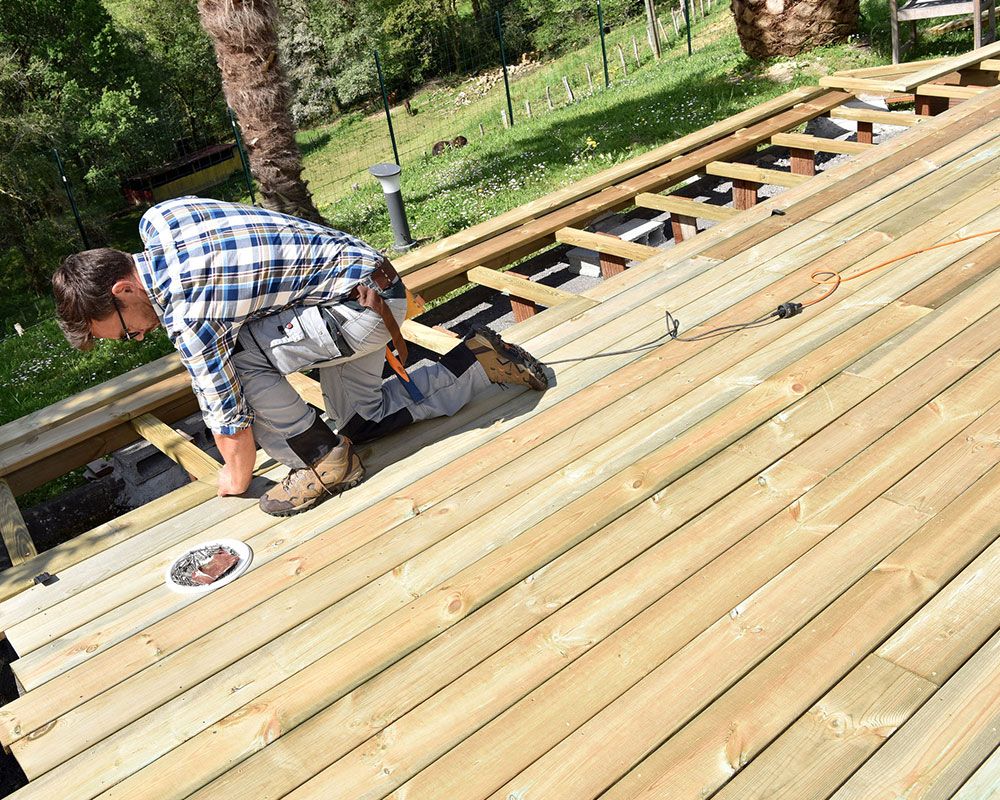
Choosing the right decking material for your residential space is crucial for ensuring long-term durability, aesthetic appeal, and overall satisfaction. When deciding between composite decking and wood decking, it’s important to weigh their respective benefits and drawbacks. This guide will help you understand the key differences between these two popular options and how they can impact your home.
Composite Decking: An Overview
Composite decking is made from a blend of wood fibers and plastic, resulting in a material that combines the best attributes of both. It has become a popular choice among homeowners for its durability and low-maintenance characteristics.
Benefits of Composite Decking
1. Durability
Composite decking is highly resistant to the elements. Unlike wood, it doesn’t splinter, crack, or warp. It is designed to withstand harsh weather conditions, including heavy rain and intense sun exposure. This makes it an excellent option for areas with extreme weather.
2. Low Maintenance
One of the biggest advantages of composite decking is its low maintenance requirements. Unlike wood decking, which needs to be sanded, stained, or sealed regularly, composite decking only requires occasional cleaning with soap and water. This reduces the amount of time and money spent on upkeep.
3. Resistance to Insects and Rot
Composite decking is impervious to insects such as termites and does not suffer from rot or decay. This ensures a longer lifespan and less frequent need for repairs compared to wood decking.
4. Variety of Styles and Colors
Composite decking comes in a wide range of colors and styles, allowing homeowners to choose a design that complements their home’s exterior. Many composite decks are designed to mimic the look of natural wood while offering enhanced performance.
5. Environmental Impact
Many composite decking products are made from recycled materials, making them an eco-friendly choice. This helps reduce the environmental impact compared to using new lumber.
Wood Decking: An Overview
Wood decking is a traditional choice that provides a natural and timeless aesthetic. It is available in various types, including pressure-treated wood, cedar, and redwood.
Benefits of Wood Decking
1. Natural Aesthetic
Wood decking offers a classic, natural look that many homeowners prefer. The rich textures and warm tones of wood can enhance the overall appearance of your outdoor space.
2. Cost-Effective
Initially, wood decking can be less expensive than composite decking. For homeowners on a tight budget, wood can provide a more affordable option, especially if you choose pressure-treated lumber.
3. Ease of Customization
Wood decking can be easily sanded, stained, and painted to achieve different looks. This flexibility allows homeowners to change the color or finish of their deck as their tastes evolve.
4. Repairability
If wood decking becomes damaged, it can often be repaired by replacing individual boards or sanding down imperfections. This can be a simpler process compared to repairing composite decking.
Composite Decking vs. Wood Decking: Key Comparisons
1. Maintenance
Composite decking requires far less maintenance compared to wood decking. Wood decks need regular staining, sealing, and cleaning to prevent deterioration. Composite decks, on the other hand, only need occasional washing.
2. Durability and Lifespan
Composite decking generally lasts longer than wood decking. While high-quality wood decks can last up to 20 years with proper care, composite decks often come with warranties of 25 years or more and are less likely to suffer from issues like splintering and rotting.
3. Cost
Although the initial cost of composite decking is typically higher than wood, the long-term savings on maintenance and replacement can make it more cost-effective. Wood decking might be cheaper upfront but can incur higher maintenance costs over its lifespan.
4. Environmental Impact
Composite decking is often made from recycled materials, making it a more sustainable choice. Wood decking, depending on the source, may not always be harvested sustainably. Choosing composite decking can contribute to reducing deforestation.
Conclusion
Both composite and wood decking have their unique advantages. Composite decking offers durability, low maintenance, and a variety of styles, making it a strong choice for many homeowners. Wood decking, with its natural beauty and initial cost savings, remains a traditional favorite. Ultimately, the choice between composite and wood decking will depend on your priorities, budget, and long-term goals for your outdoor space.
For expert advice and professional installation of residential decks, Oregon City Decks is here to assist you. Based in Oregon City, OR, they specialize in creating stunning, high-quality decks tailored to your needs. Contact Oregon City Decks at 503-683-8500 to explore your decking options and start your project today.
Frequently Asked Questions (FAQs)
1. Which decking material is more durable: composite or wood?
Composite decking is generally more durable than wood. It is resistant to splintering, rotting, and insect damage, making it a longer-lasting option.
2. How often does composite decking need to be cleaned?
Composite decking requires minimal maintenance. It usually needs to be cleaned a few times a year with soap and water to keep it looking its best.
3. Can I paint or stain composite decking?
Composite decking is not designed to be painted or stained. It comes in various colors and finishes, so it’s best to choose a color that suits your preferences from the start.
4. Is wood decking easier to repair than composite decking?
Wood decking can be easier to repair because individual boards can be replaced or sanded down. Composite decking repairs may require replacing entire sections, which can be more complex.
5. What are the environmental benefits of composite decking?
Composite decking is often made from recycled materials, reducing waste and the demand for new lumber. This makes it a more environmentally friendly choice compared to traditional wood decking.By understanding the benefits and differences between composite and wood decking, you can make an informed decision that best suits your home and lifestyle. For top-quality residential deck building, contact Oregon City Decks at 503-683-8500.